
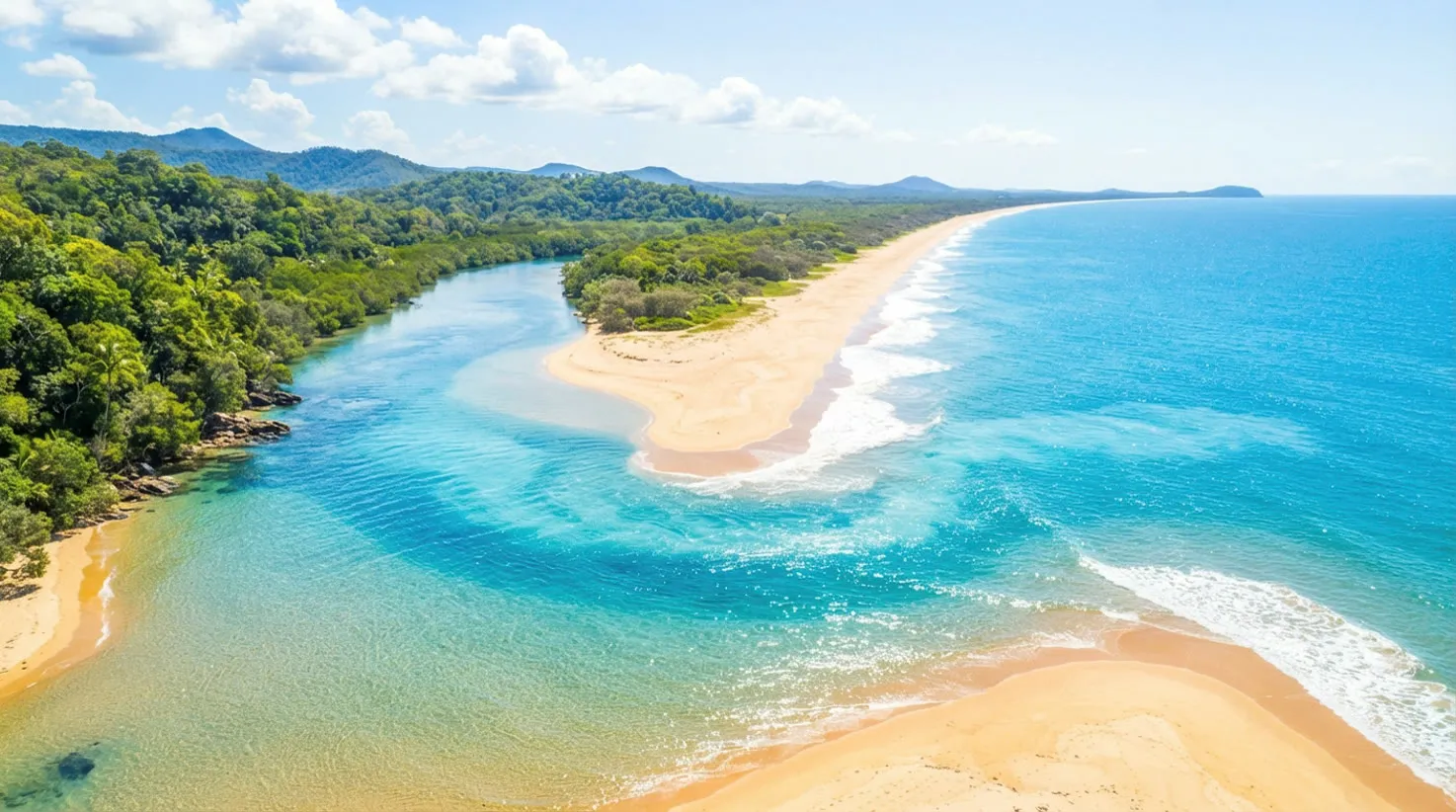
Salinity Gradient & Ion Exchange Technology
RED: 24/7, 365‑Day Baseload Renewable Energy Generation System
Where freshwater meets the sea, nature releases energy that has largely gone unharvested. RED turns that salinity gradient into weather-independent, around-the-clock clean power.
Continuous 24/7/365 Baseload Power
Weather-independent clean energy generation using seawater and freshwater or treated wastewater.
Super Long Life & No Heavy Battery Needed
Direct ion-flow power without heavy dependency on rare metals or fire risks.
Ultra-Compact Footprint
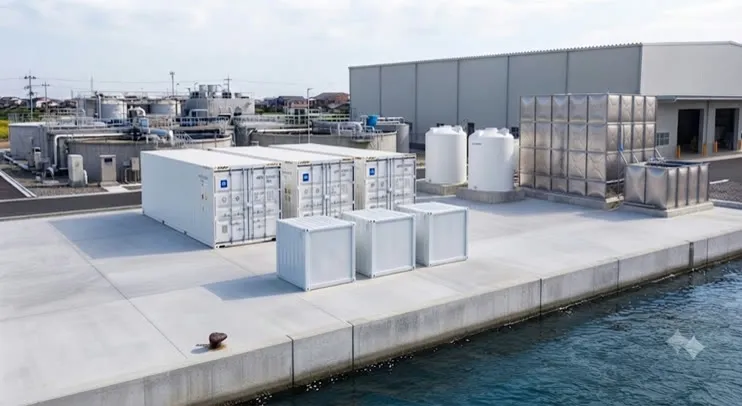
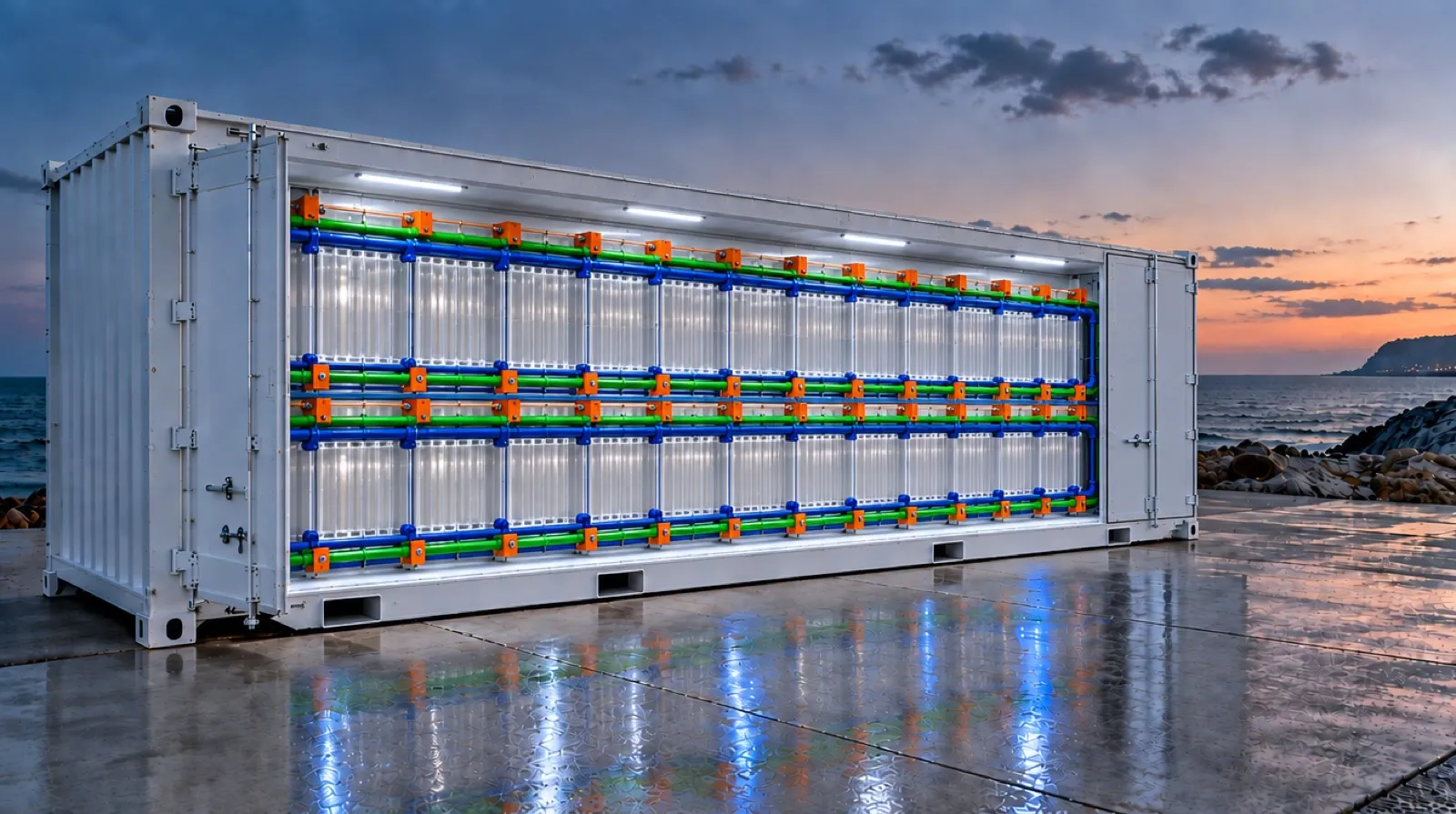
Containerized unit requiring <1/50th the space of solar farms.
Solving Curtailment
Turning wasted renewable energy and coastal brine into clean power assets.
Watch
VLI-EV RED Power
How it works
Reverse Electrodialysis, step by step
1. Two water streams
Seawater, coastal water, or brine flows alongside lower-salinity water — industrial recycled water, river water, or treated sewer water.
2. Ion-exchange membrane stacks
Alternating anion-exchange (AEM) and cation-exchange (CEM) membranes let chloride and sodium ions pass in opposite directions.
3. Clean DC power
The directed ion flow produces direct current across the stack terminals — continuously, day and night.
Power where and when it's needed
Decentralized coastal generation
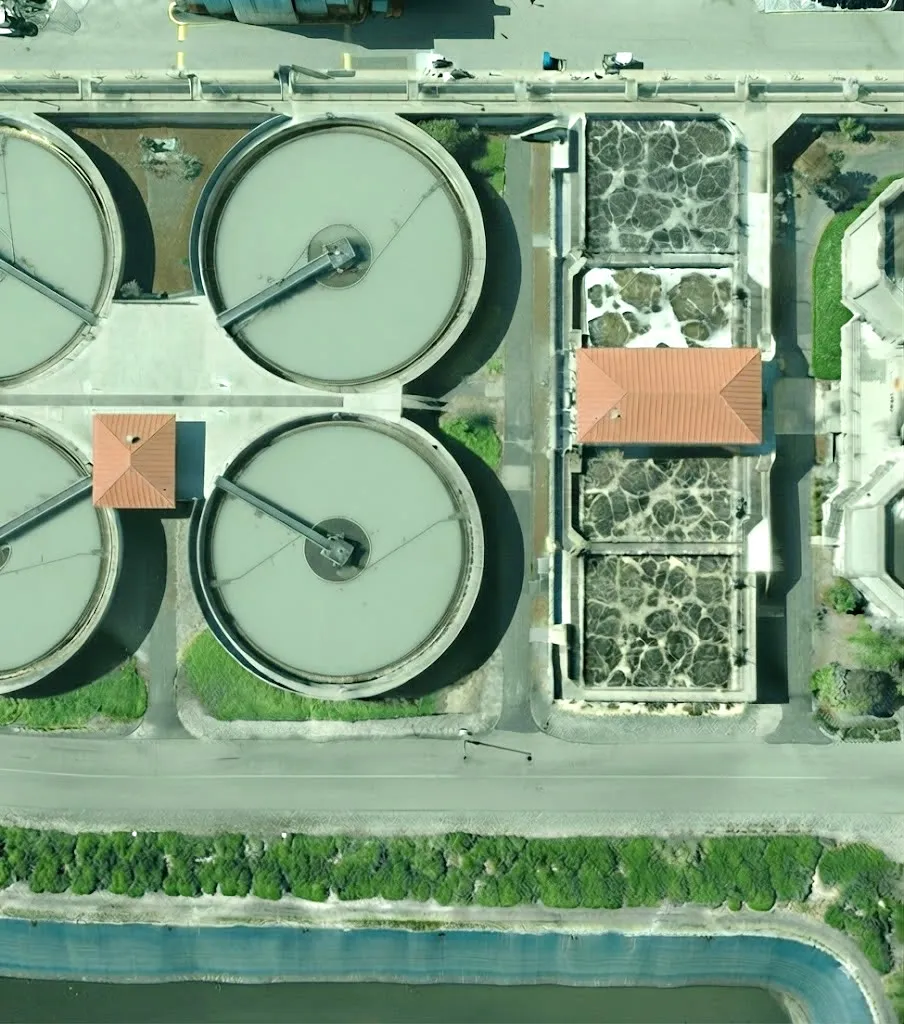
RED installs inside coastal cities, using treated wastewater that would otherwise flow to the sea — generating power at the point of consumption, without long transmission lines. Desalination brine becomes a clean energy asset, too.
<1/50
of the land required by solar
1/100
of the ocean area required by offshore wind
24/7/365
weather-independent baseload output
Footprint figures are company estimates.
Global & island applications
- Hawaii
- Southeast Asia
- Southern California
- Middle East
- North Africa
Join our mid-size pilot installation
Self-sufficient, decentralized, truly baseload coastal power. Request project data and specifications.